Recovery is the part of plastic surgery patients ask the most about and prepare for the least. The procedure is one day. Recovery is everything after. Setting expectations early -- about pain, swelling, follow-ups, sleep, and movement -- is what turns a good surgery into a good experience.
- Plan a recovery window that is longer than the procedure window. Most cosmetic surgeries need 5-10 days of careful rest.
- Swelling and bruising peak around day 3-4 and improve quickly after that.
- Follow-up visits before you fly home are not optional -- they protect the result you came for.
- Final results take weeks to months. The early photos are not the finished story.
Day 0: the procedure
The day of surgery is busy and clinical. You will arrive early, complete final paperwork, meet the anesthesia team, and be moved into the operating room. Most patients do not remember much beyond falling asleep. When you wake up, the priority is simple: rest, hydrate, and follow the directions of the recovery team.
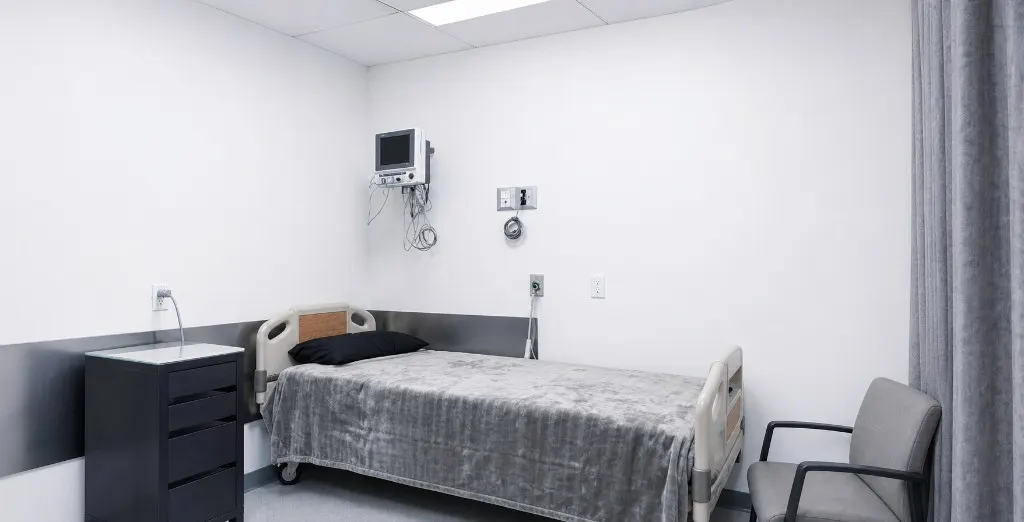
For most cosmetic procedures, you will spend the first hours in a private recovery suite under direct observation. You should not be making decisions, lifting bags, or trying to be productive. The first sleep happens that night.
Days 1-3: the most important days
The first 72 hours are when good recovery habits matter most. This is when you protect drains, follow medication timing exactly, sleep with your head elevated, walk short distances every few hours to keep circulation moving, and stay on top of hydration and protein.
Where Allure RT MX patients spend these days: surgical patients recover at a partner hotel rather than crossing the border right after surgery, with private transport to follow-up visits and a US-side coordinator number for 24/7 contact. Most surgical stays in Tijuana run 3–7 days depending on the procedure; stem cell and IV therapy are same-day, with pickup in San Diego and return home the same day.
- Take medications on schedule, not when pain feels bad. Pain control is much easier to maintain than to recover.
- Walk in short, careful intervals. Movement helps. Strain hurts.
- No alcohol, no smoking, no nicotine in any form. All three slow healing in measurable ways.
- Eat for tissue repair: protein, vitamin C, healthy fats, and water.

Days 4-7: swelling, follow-ups, and the first wins
By day four, most patients feel a noticeable shift. Energy returns. Pain becomes more like soreness. Bruising begins to fade. This is also when most clinics schedule the first in-person follow-up: a chance for the medical team to check incisions, drains, garments, and any early concerns.
Your follow-up before you travel home is the single most important appointment of the entire trip. It is what turns "the surgery went well" into "the result is on track."
Weeks 2-6: returning to normal life
Most patients return to desk work between days 7-14, with full clearance for exercise, lifting, and contact activities arriving in stages. Swelling continues to resolve quietly for weeks, and the final shape of the result is usually clear at the 6-12 week mark for body contouring procedures, and 6-12 months for facial work.
If you are taking selfies at week one and worrying, stop. The result you came for is still arriving.
Frequently asked questions
How long do I need to stay in Tijuana after plastic surgery?
Most plastic surgery patients should plan several days in Tijuana before going home, often 3–7 days depending on procedure complexity. Plan for 5–10 days of careful rest overall, with an in-person follow-up before travel. That visit checks incisions, drains, garments, swelling, and whether your recovery is on track.
When is swelling the worst after cosmetic surgery?
Swelling and bruising usually peak around day 3 or 4 after cosmetic surgery. Many patients feel a noticeable shift by day 4, with pain becoming more like soreness and energy gradually returning. Early swelling is not the final result; body contouring can take 6–12 weeks, and facial work can take 6–12 months.
When can I go back to work after a tummy tuck, BBL, or mommy makeover?
Most patients return to desk work about 7–14 days after plastic surgery, depending on the procedure and personal healing. Exercise, lifting, and contact activities usually return in stages only after medical clearance. The first 72 hours are especially important for rest, short walks, hydration, protein, medication timing, and avoiding strain.
Is it safe to recover in Tijuana after plastic surgery?
Recovering in Tijuana can be safe when care is coordinated with board-certified specialists at COFEPRIS-licensed partner facilities and follow-up is not skipped. Allure RT MX coordinates care but is not a clinic and does not perform procedures. Patients may have private recovery observation, partner-hotel recovery support, bilingual coordination, and structured follow-up after returning home.
How much does plastic surgery in Tijuana cost, and does that include recovery planning?
Plastic surgery pricing in Tijuana is procedure-based, with examples including standard tummy tuck from $5,450, 360 liposuction + BBL from $5,950, and full mommy makeover with implants from $10,450. Quotes are personalized in writing after a free consultation before travel. Financing is available through a third-party lender network with a soft credit pull.
Recovery is not a problem to push through. It is the part of plastic surgery that turns the result you imagined into the result you keep. Slow your timeline. Trust your team. Listen to your body. Allure RT MX is a San Diego–based concierge medical tourism agency that coordinates care with board-certified specialists at COFEPRIS-licensed partner facilities in Tijuana, about 25–30 minutes from San Diego.
Sources and further reading
- Medical Tourism: Travel to Another Country for Medical Care — CDC
- Medical tourism: What you need to know about traveling for plastic surgery — American Society of Plastic Surgeons