Why isn't this offered in the United States?
Mesenchymal stem cell therapy isn't FDA-approved for most conditions in the United States — the FDA classifies many regenerative cell therapies as "investigational" while their long-term data is still being collected. Mexico, Panama, and several other countries have more permissive regulatory frameworks through their own health authorities. Our partner facilities operate under COFEPRIS certification (Mexico's federal health regulator, equivalent in scope to the FDA), use mesenchymal cells sourced from regulated tissue banks, and follow the same clinical protocols you'd find at private regenerative clinics worldwide.
Will stem cell therapy actually work for me?
That's the question we'd rather answer honestly than oversell. Across our patient roster, the majority of patients report meaningful improvement at the 6-month mark — but every case is different. About 1 in 5 intake submissions ends with us telling someone they're not a strong candidate. That's intentional. If we don't think you'll see results, we'd rather lose the booking than send you home disappointed. Natalia will give you a realistic assessment on your consult call based on your specific situation.
Is Mexico actually safe for medical procedures?
Our partner facilities are COFEPRIS-certified (Mexico's equivalent of the FDA for medical regulation) and are located in the modern Zona Río district of Tijuana — 25 minutes from the San Ysidro border crossing. Physicians are board-certified, the labs are ISO-compliant, and tens of thousands of Americans travel to Tijuana every year for medical care. We give you the physician's name, credentials, and facility address on the consult call — before you commit to anything.
How do I know the stem cells are real and high-quality?
We work with partner facilities that source mesenchymal stem cells (MSCs) from ethically donated umbilical cord tissue (Wharton's Jelly), processed at certified labs. Donor mothers are healthy women aged 20 to 30, screened for infectious disease and full medical history before any tissue is accepted — we don't compromise on donor health. On your consult call, we walk you through the source, the dosing, the lab credentials, and what "fresh" vs "cryopreserved" actually means for your case. The same regenerative therapy U.S. clinics offer — the difference is the pricing, not the quality.
What if I'm not a candidate?
We'll tell you. Stem cell therapy isn't right for every condition or every patient, and we'd rather lose a booking than send someone home disappointed. If the case isn't a fit, Natalia will explain why, point you toward better options when she can, and there's no cost or pressure. About one in five intake submissions ends this way — and that's the way it should work.
How much will my treatment cost?
Every protocol is different, so we don't publish a flat figure. The whole point of the intake and the consult call is to give you an accurate, transparent quote for your specific case before you book travel. No surprise add-ons after you arrive. If anything changes, we tell you in writing in advance.
What happens if I have complications back home?
Stem cell therapy is non-surgical and outpatient, so serious complications are rare. That said, we coordinate scheduled follow-up calls in the weeks and months after your procedure, and we maintain a network of U.S. specialists who can see you locally if needed. The facility's medical team is also reachable by WhatsApp — you're not on your own once you cross the border back.
Who do I actually talk to throughout this process?
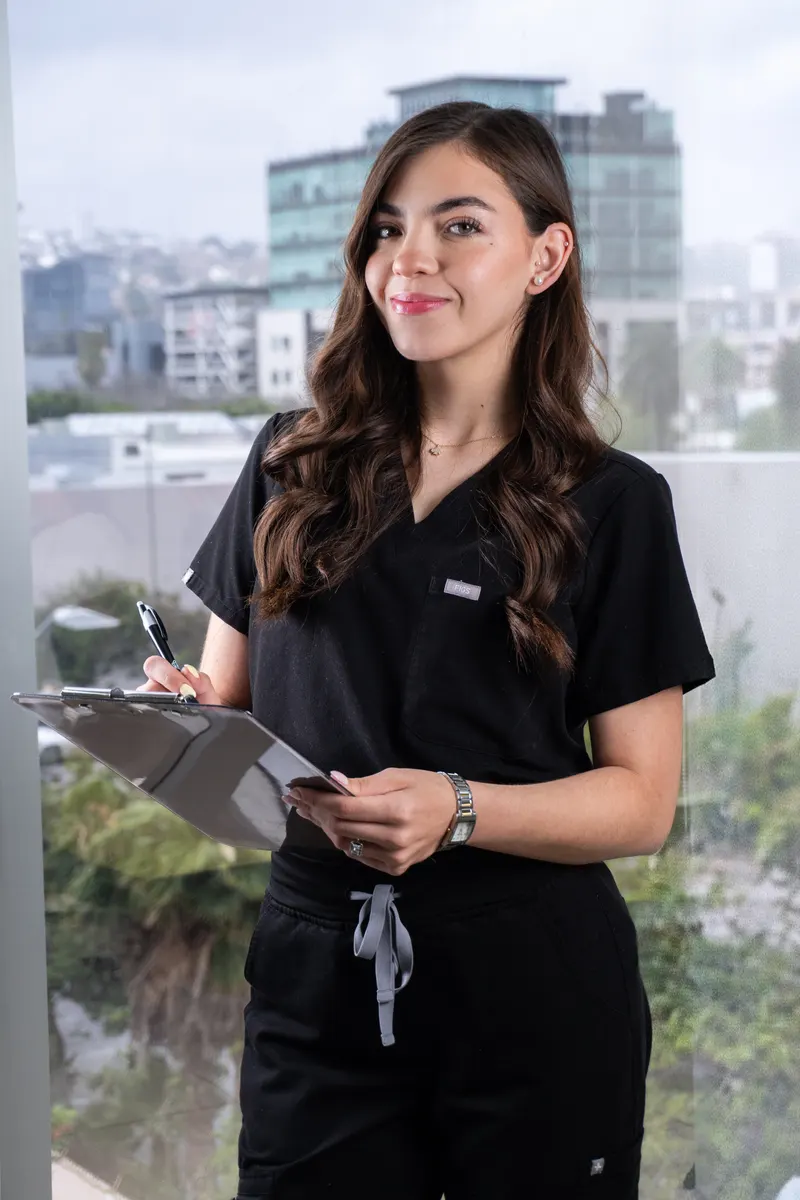
Natalia. She's your point of contact from the intake submission through your follow-up calls. On-site you'll also meet the partner physician and clinical team, but the through-line is one person who knows your case, your timeline, and your preferences. No bouncing between sales reps. No call center.